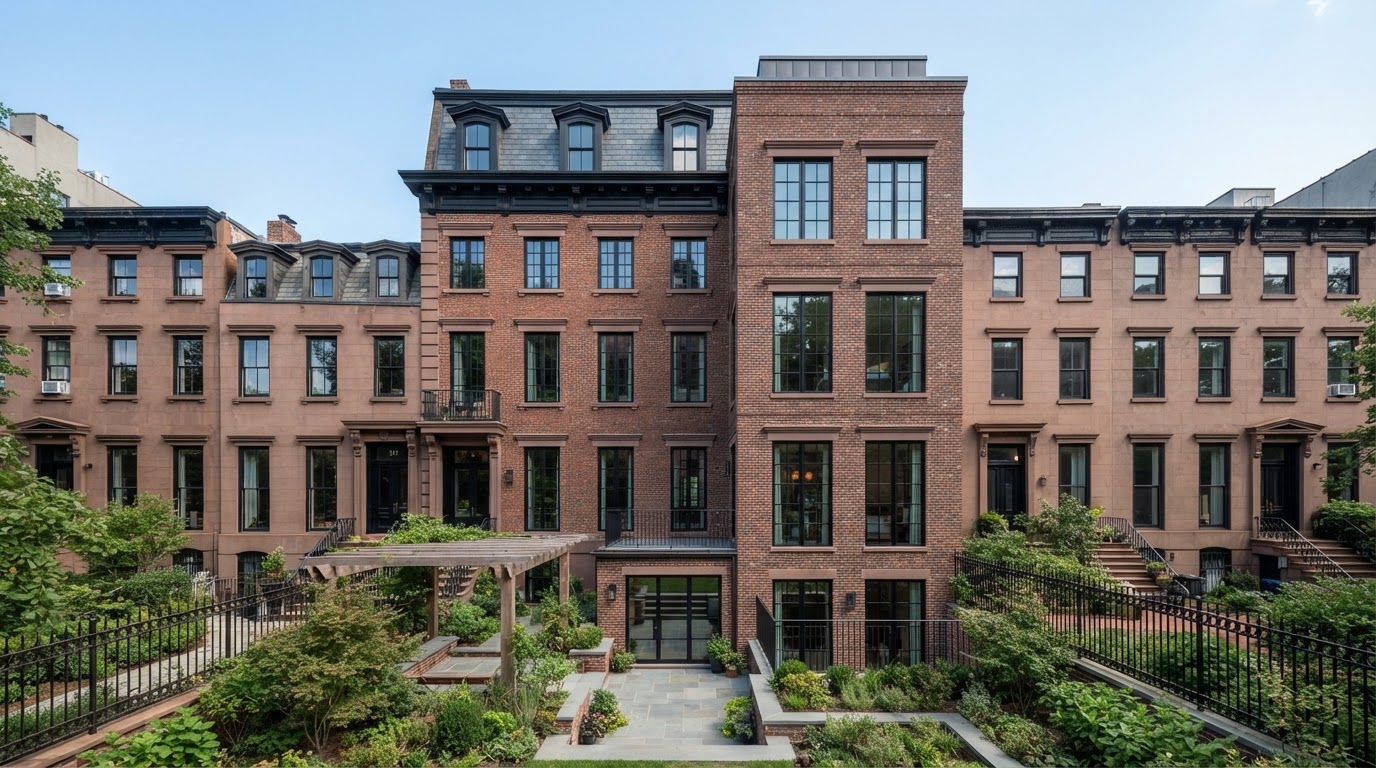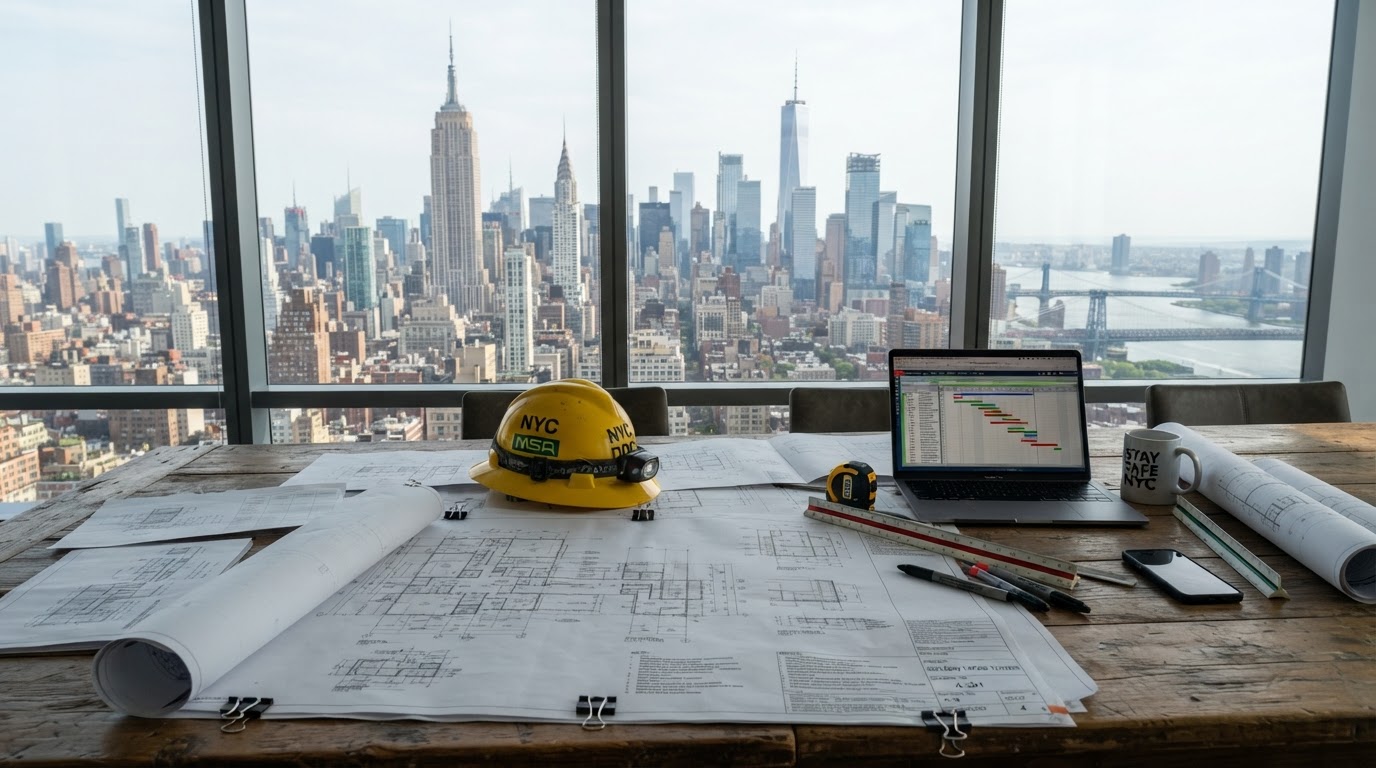
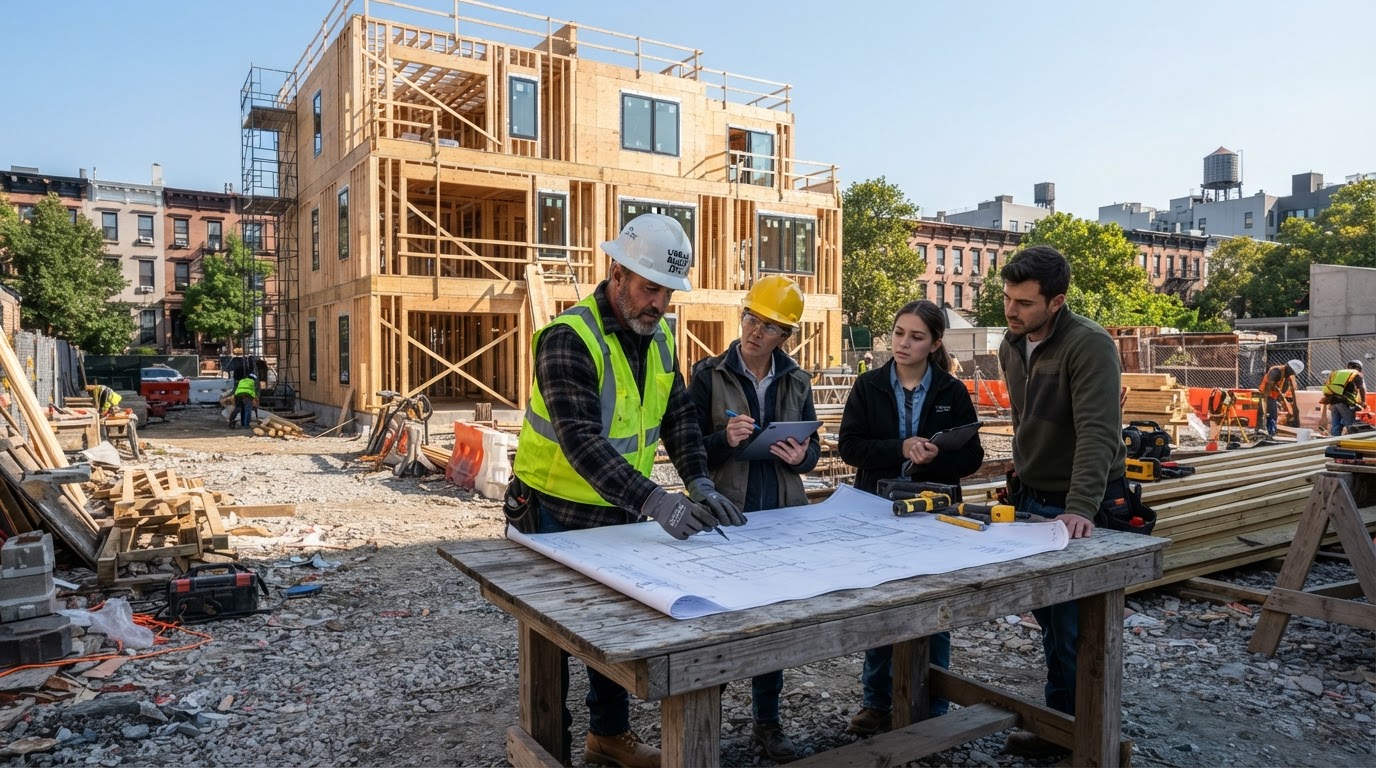
Design-build puts planning, design, and construction under one contract and one team. Instead of hiring an architect first and a contractor later, the owner works with a single group that is responsible for the finished building.
That structure is why many owners choose it. Industry studies often cited by the Design-Build Institute of America show design-build projects tend to finish faster, see less cost growth, and generate fewer change orders than the traditional design-bid-build route. The reason is simple: the people who will build the project help shape the design before drawings are locked.
What the process usually looks like
- 1Planning and feasibility — You define the goal, budget, and constraints. The team reviews the site, zoning, utilities, soil, access, and local code issues. In New York that often includes DOB filings, wind load, and flood zone requirements.
- 2Team and contract — One agreement covers design and construction. Typical roles include architect, general contractor, project manager, superintendent, MEP engineers, interior design, and trade partners, all coordinated through one point of contact.
- 3Design — Work moves from concept plans to design development to construction documents. Mechanical, electrical, and plumbing systems are coordinated on paper so conflicts are resolved before drywall goes up. Finishes and long-lead items are selected early.
- 4Permits and pre-construction — The contractor typically manages building, electrical, plumbing, mechanical, and zoning reviews. Long-lead materials are ordered, trades are bid, and the schedule is finalized before the crew mobilizes.
- 5Construction — Site work, structure, systems, and finishes proceed under one superintendent and one project manager. Because the builder already influenced the design, fewer surprises show up in the field.
- 6Punch list and closeout — Incomplete or imperfect items are listed, corrected, and signed off. Warranties, manuals, and final inspections complete the job.
How it differs from design-bid-build
In design-bid-build, design is finished first, then contractors bid, then construction starts. There is little overlap. The owner holds two contracts and sits between designer and builder when problems appear.
In design-build, design and construction overlap. One team owns both. That usually means faster delivery and clearer accountability: one call, one responsible party.
A strong design-build partner treats communication, schedule discipline, and finish quality as part of the same promise, not extras added at the end.
Planning a project in New York?
Get a free on-site estimate from our interior and exterior contracting team.